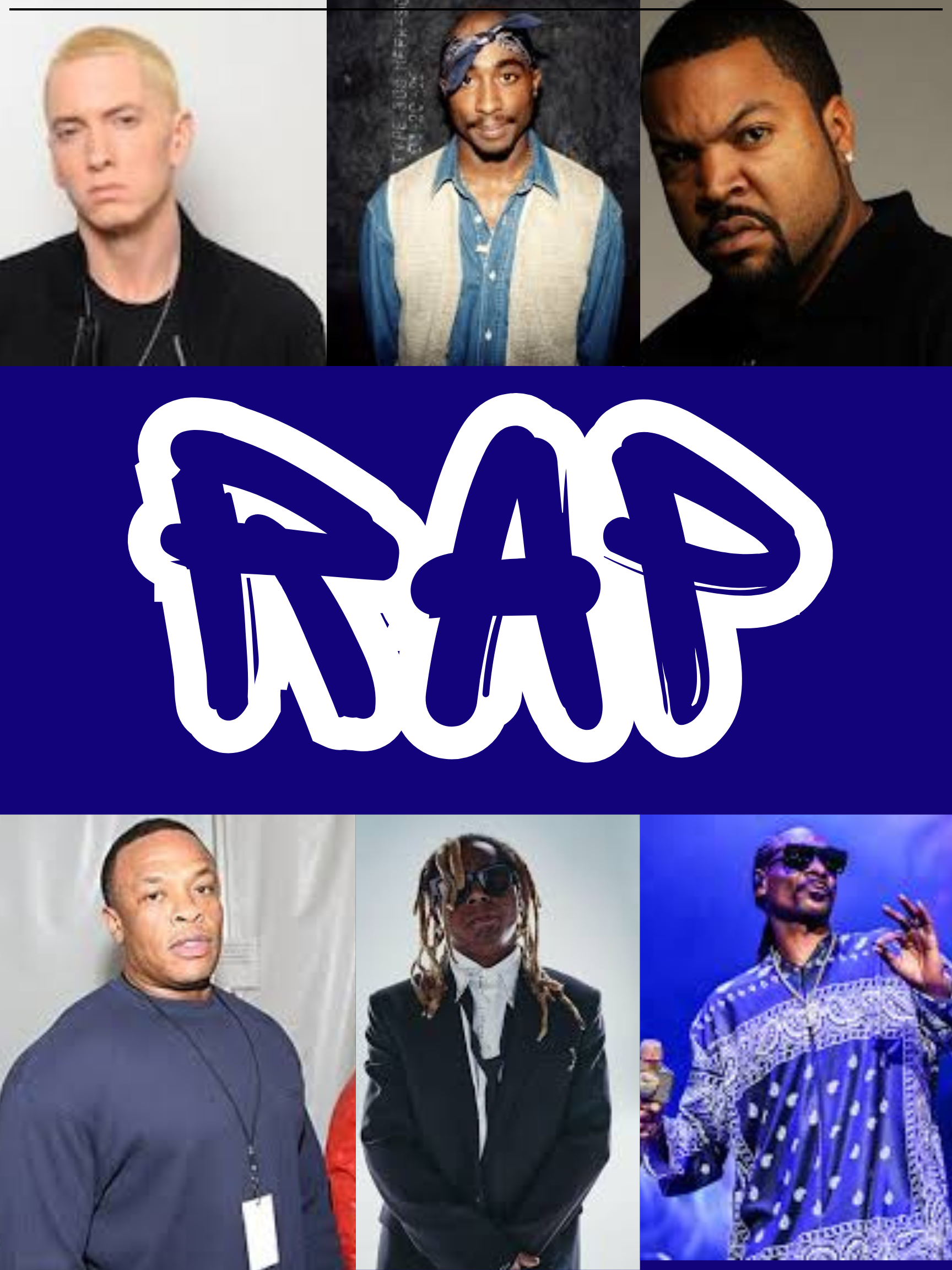
Rap music is a genre of popular music featuring rhythmic, rhyming speech—known as "rapping" or "emceeing"—delivered over a musical backing, typically with a strong beat. Emerging in the early 1970s within African American and Caribbean communities in New York City's South Bronx, it is a key element of hip-hop culture.
Flow & Delivery: Rapping involves rhythmic, rhyming words, often incorporating street vernacular or colloquialisms.
Backing: The music, sometimes called hip-hop, often features a repetitive, danceable rhythm, sampling (reusing parts of other songs), or electronic beats.
The MC/Rapper: The vocalist, or MC (Master of Ceremonies), delivers the lyrics, focusing on storytelling, personal expression, and social commentary.
Not Just Music: While "rap" often refers specifically to the vocal style, it is frequently used interchangeably with "hip-hop," which includes DJing (turntablism), graffiti art, and breakdancing.
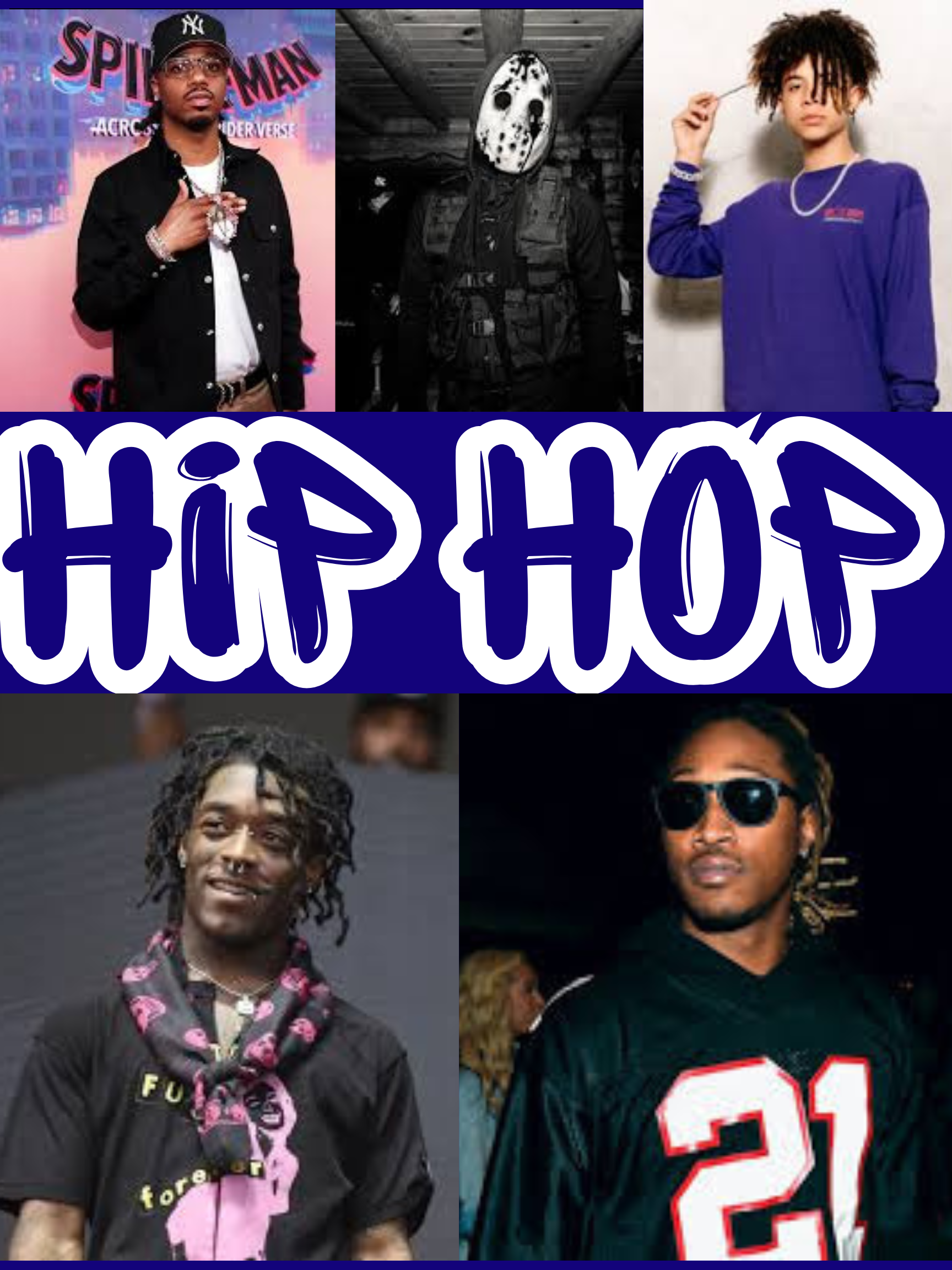
Hip hop music is a popular genre characterized by stylized, rhythmic music—often featuring rapping, sampling, andDJing—that originated in the South Bronx, New York City, during the 1970s. It is both a musical style and a cultural movement, historically serving as a voice for African American and Caribbean youth to express social commentary, resilience, and creativity.
Birthplace: The genre emerged in the early 1970s at neighborhood parties, with August 11, 1973, often cited as a pivotal moment, when DJ Kool Herc introduced extended instrumental breaks.
Sound: Early hip hop was heavily influenced by funk, soul, and disco, later evolving to use drum machines and digital sampling.
Growth: In the 1980s and 90s, it grew from a local New York movement into a global, multi-billion dollar industry.
Subgenres: It has birthed numerous styles, including gangsta rap, trap, conscious hip hop, and boom bap.
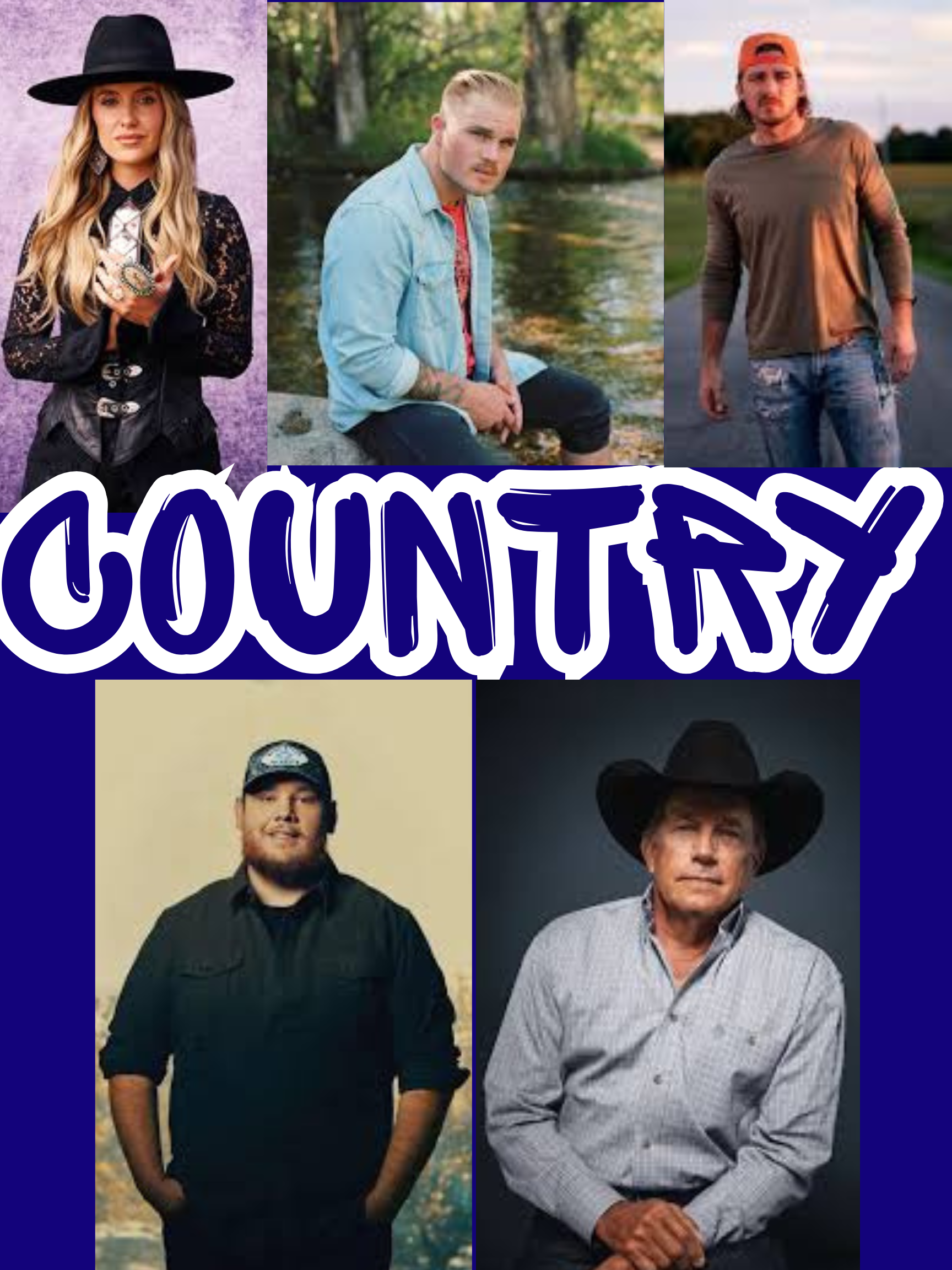
Country music is an American musical genre born in the rural South and West during the 1920s. It blends folk, blues, and gospel, and is characterized by narrative storytelling, simple harmonies, and twangy vocals, commonly accompanied by acoustic/electric guitars, fiddles, banjos, and pedal steel guitars
The Sound: Distinctive use of traditional instruments like the acoustic guitar, pedal steel guitar, fiddle, and banjo. Vocals often feature a pronounced Southern or Western accent.
The Storytelling: Rooted in "three chords and the truth", the songs heavily emphasize lyrics. They tell relatable narratives about everyday, working-class life, heartbreak, drinking, and rural themes.
Origins: It has roots in the Appalachian folk music of European settlers combined with African American blues and gospel traditions.
Honky-Tonk: Features danceable beats, electric instruments, and lyrics about heartbreak and nightlife.
Bluegrass: Played at a rapid tempo relying entirely on acoustic, stringed instruments.
Outlaw Country: A gritty, rock-influenced rebellion against the highly polished, commercial "Nashville sound" of the 1970s.
Country Pop: A modern, commercial blend of traditional country storytelling with the production and melodies of mainstream pop music.